Each session is led by a skilled practitioner and designed to help participants regulate, ground, and reconnect with themselves and others. Experiences are accessible for all levels and can be adapted to the needs of your group.
A standard block includes a 15-minute welcome and introduction, a 30-minute guided experience, and an optional 15-minute share-back.
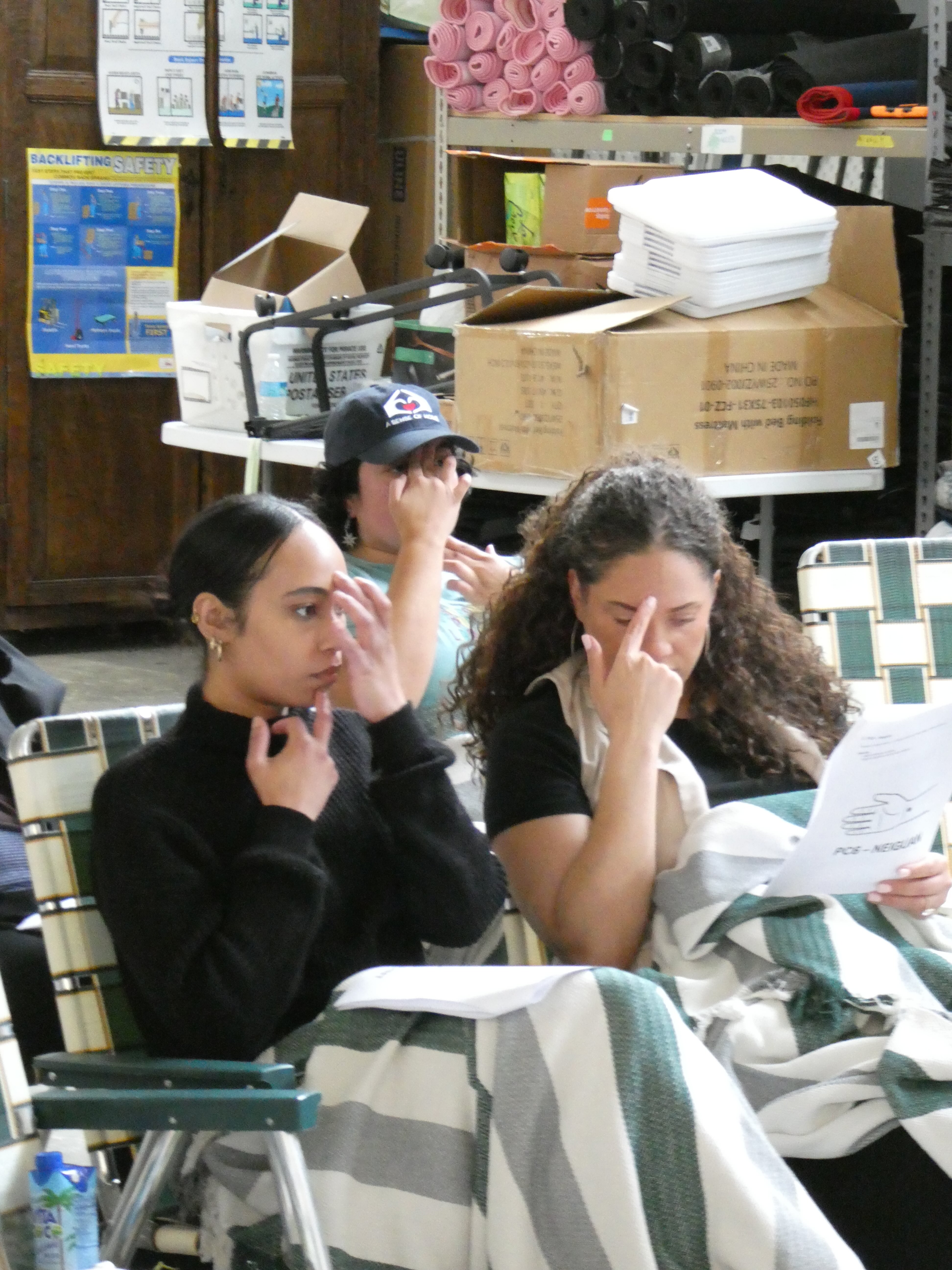
Why: Hands-on, portable techniques for headaches, jaw tension, and anxiety; immediate relief builds self-efficacy.
About: Acupressure is based on the concept of life energy, which flows through "meridians" in the body. In treatment, physical pressure is applied to acupuncture points, or ashi trigger points, with the aim of clearing blockages in these meridians. Pressure may be applied by hand, by elbow, or with various devices.
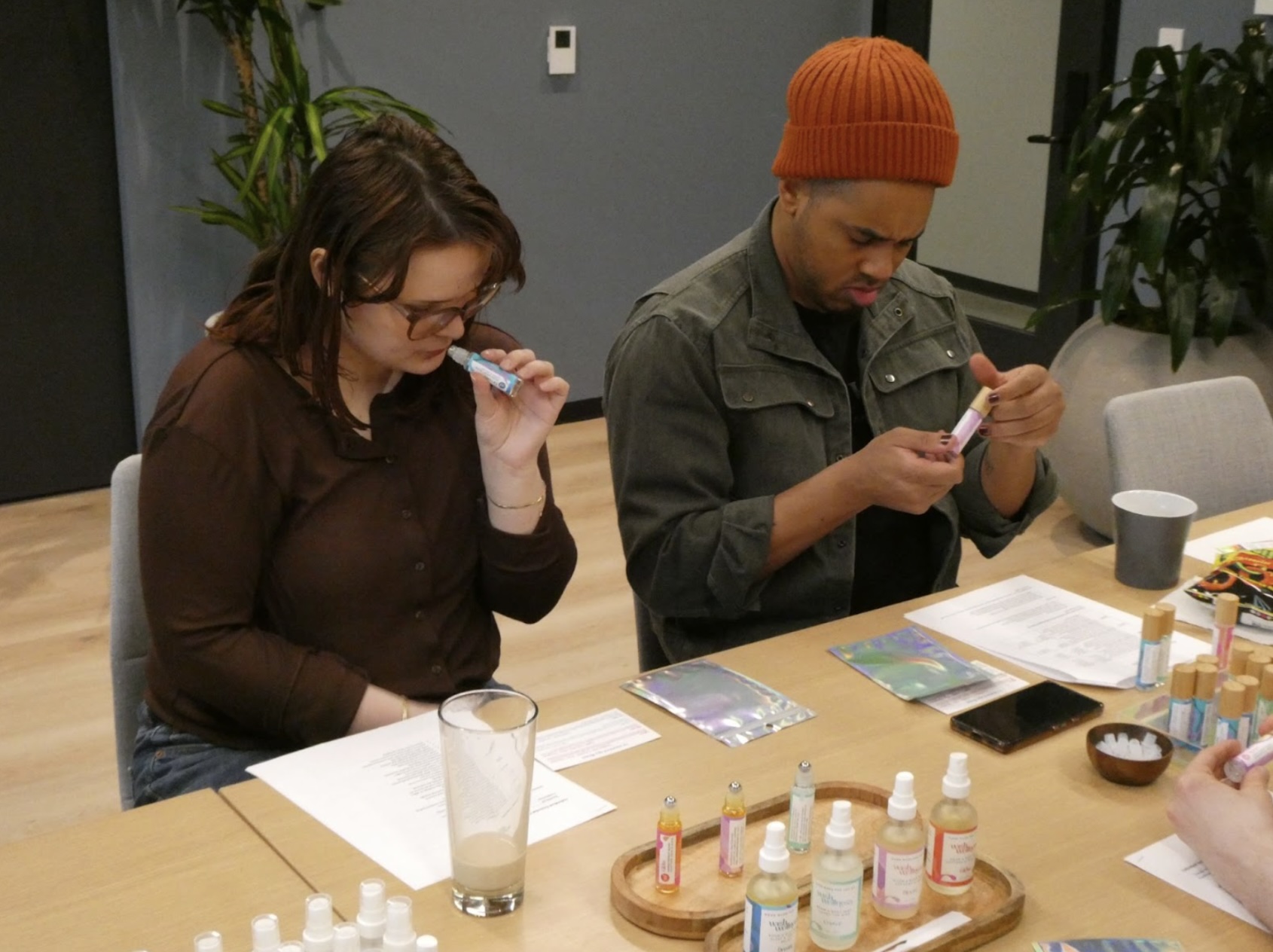
Why: A simple, low-cost “sensory + body” reset that staff can use anywhere—aroma for rapid calming/focus, herbs for daily stress buffering (sleep, digestion, mood). Easy to learn, discreet at work, and highly portable.
About: This blended modality combines therapeutic essential oils with everyday herbal support to help regulate the nervous system. Participants learn how scent can quickly shift state through inhalation or gentle topical use, and how common herbs can be integrated through teas or tinctures as consistent, practical self-care. The experience is trauma-informed, approachable, and designed for real-life routines—offering both immediate relief and ongoing resilience.
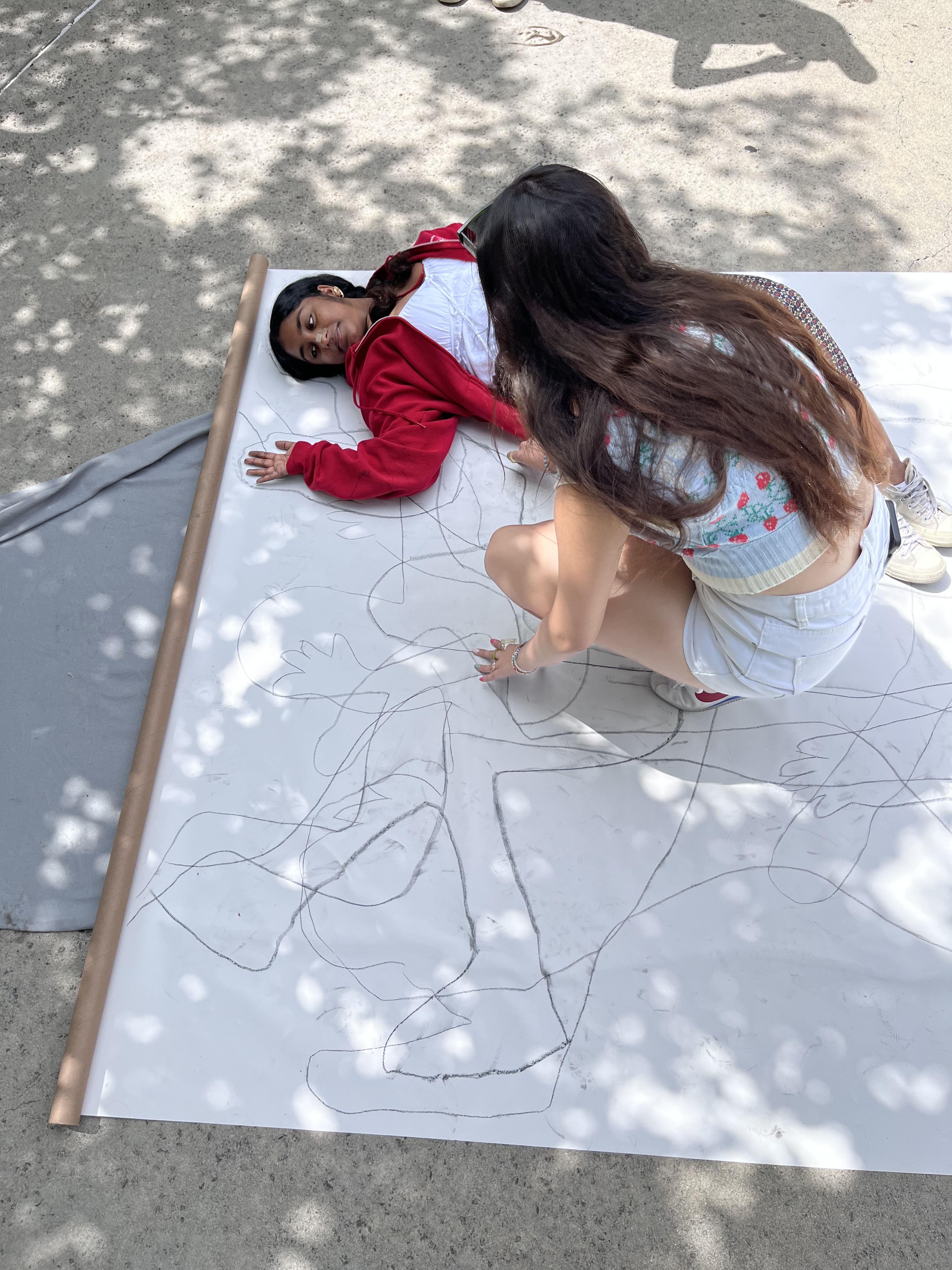
Why: Non-verbal processing that reduces stress and builds meaning-making—effective for staff who ‘hold space’ all day and need a gentle outlet.
About… Art therapy is a distinct discipline that incorporates creative methods of expression through visual art media. Art therapy can be used to help people improve cognitive and sensory motor function, self-esteem, self awareness, and emotional resilience. It may also aid in resolving conflicts and reduce distress. Art therapists take clients on a journey to delve into their inner thoughts and emotions by the use of paint, paper and pen, clay, sand, fabric, or other media.
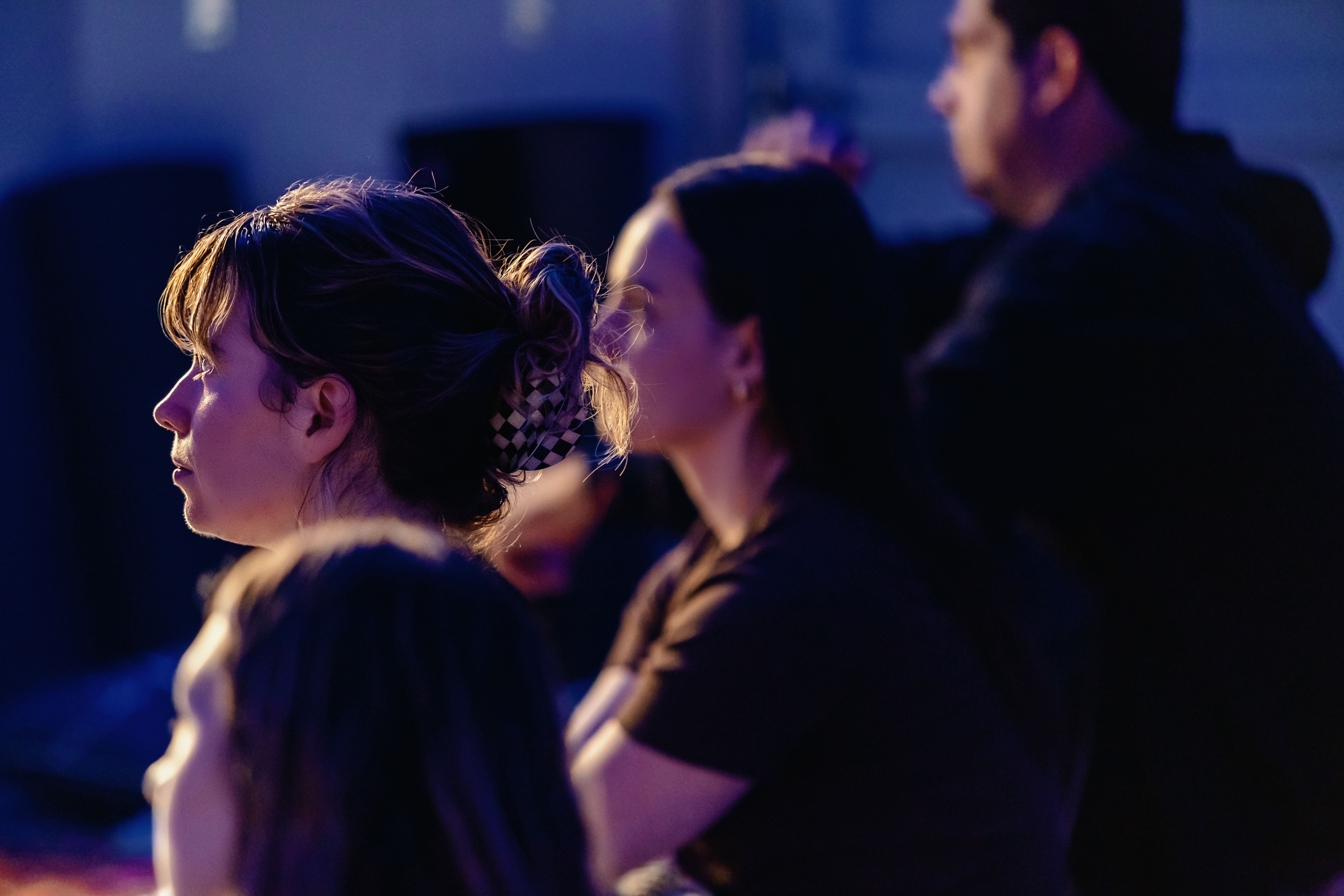
Why: Always available tool for down-regulation or energizing; improves decision-making under pressure.
About: Breathwork is conscious, control of breathing that influences a person's mental, emotional and/or physical state, with a therapeutic effect. Breathwork may be helpful for relaxation and stress in a similar way to meditation. During a breathwork session, individuals will be instructed to breathe using particular methods, depending on the subtype of breathwork. Breathwork practitioners believe that an individual's particular pattern of passive breathing can lead to insights about their unconscious mind.

Why: People practice chakra clearing to remove energetic blockages and restore balance to the body's energy centers, as well as support a deeper sense of connection and purpose.
About: Chakra clearing can be used as a form of therapy to balance the body's seven major energy centers, or chakras, through a variety of techniques like guided meditation, breathwork, and visualization. By clearing blockages, this holistic approach aims to promote a sense of well-being by addressing imbalances in mental, emotional, and physical health, leading to increased relaxation, reduced stress, and greater emotional and spiritual alignment.
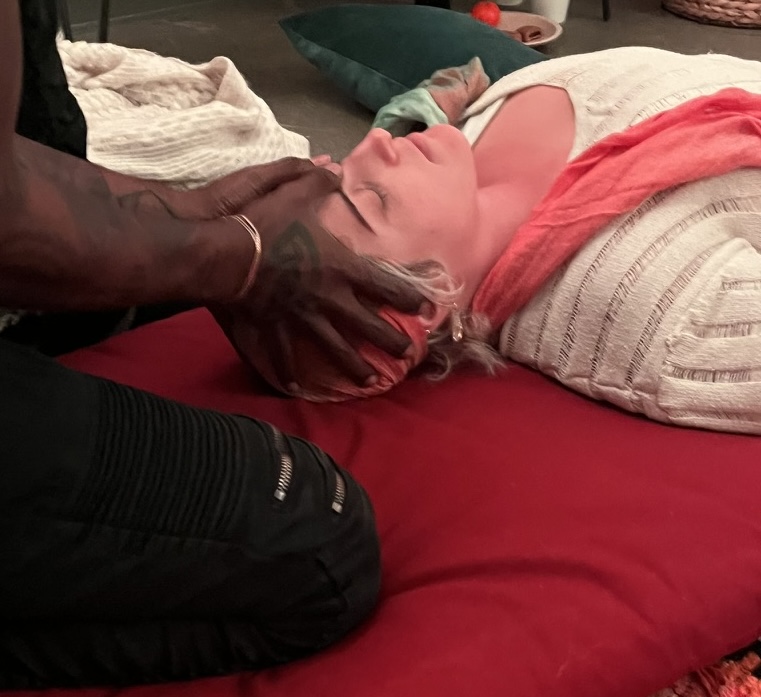
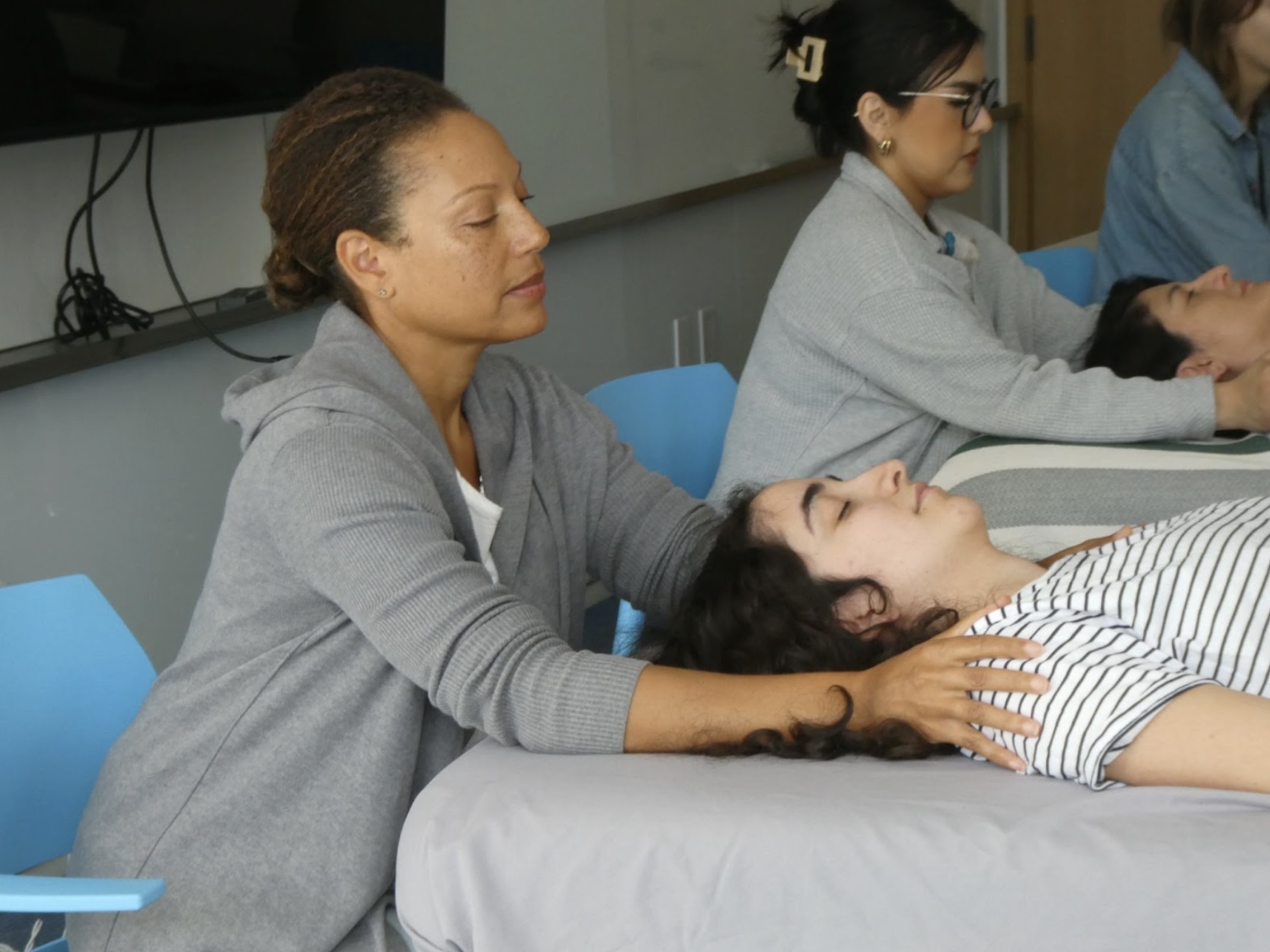
Why: Subtle, deeply calming touch that eases tension and promotes rest; supportive for chronic stress and jaw/neck strain.
About: Cranial sacral therapy (CST), is a gentle, noninvasive and hands-on treatment that may provide relief from pain, like headaches and neck pain, side effects of cancer treatment and more. A healthcare provider may recommend CST in addition to other forms of treatment.
Note: This modality will have your team working on each other guided by a practitioner. Please ensure they are comfortable with this before making the choice.
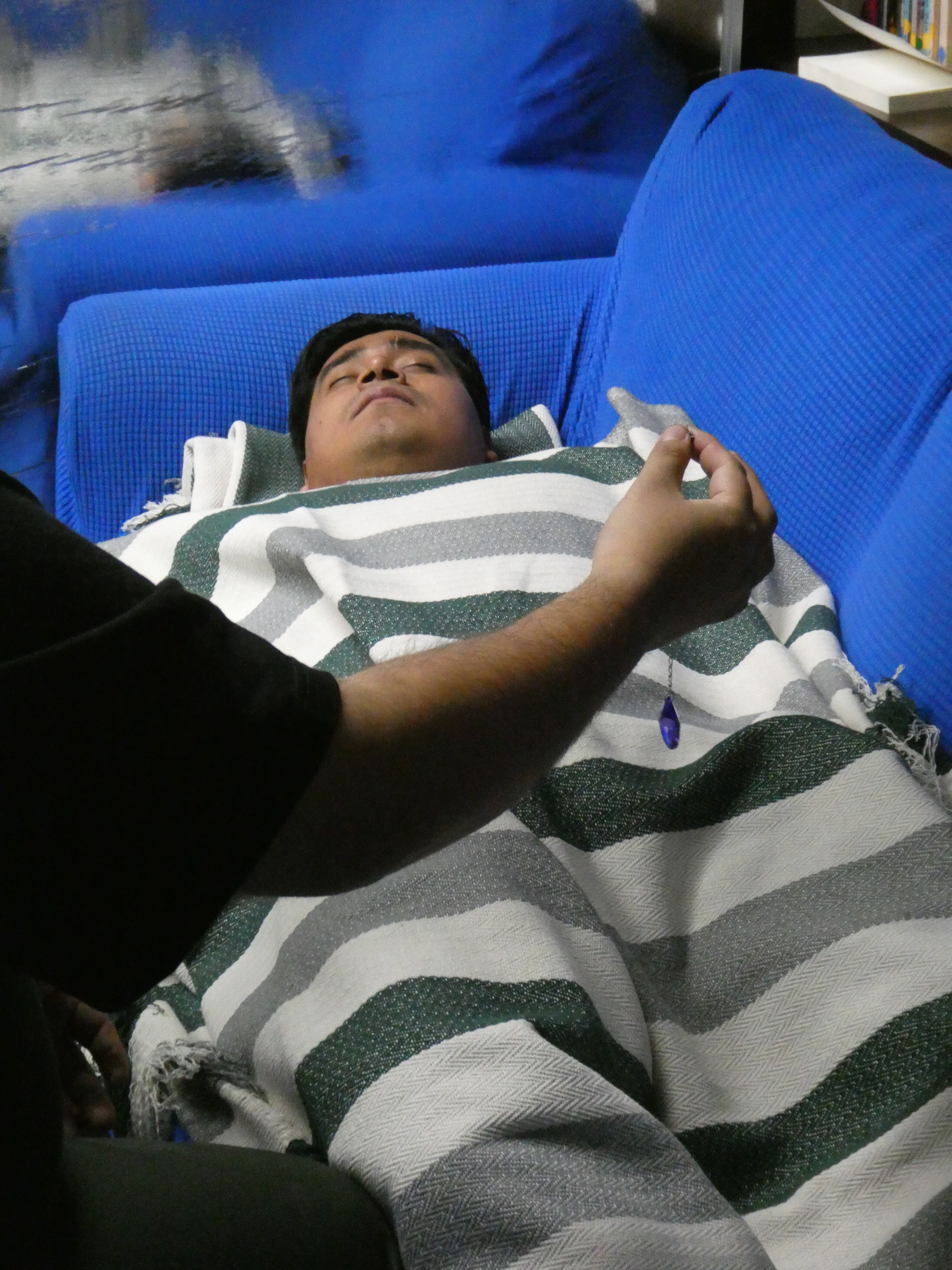
Why: Accessible symbolic ritual that invites mindfulness and meaning-making; popular and soothing when framed as optional and secular.
About: Crystal healing is an alternative-medicine practice that uses the healing powers of semi-precious stones and crystals such as quartz, agate, amethyst or opal. Practitioners of crystal healing believe they can boost low energy, prevent bad energy, release blocked energy, and transform a body's aura. Practitioners place crystals on different parts of the body, often corresponding to the chakras.
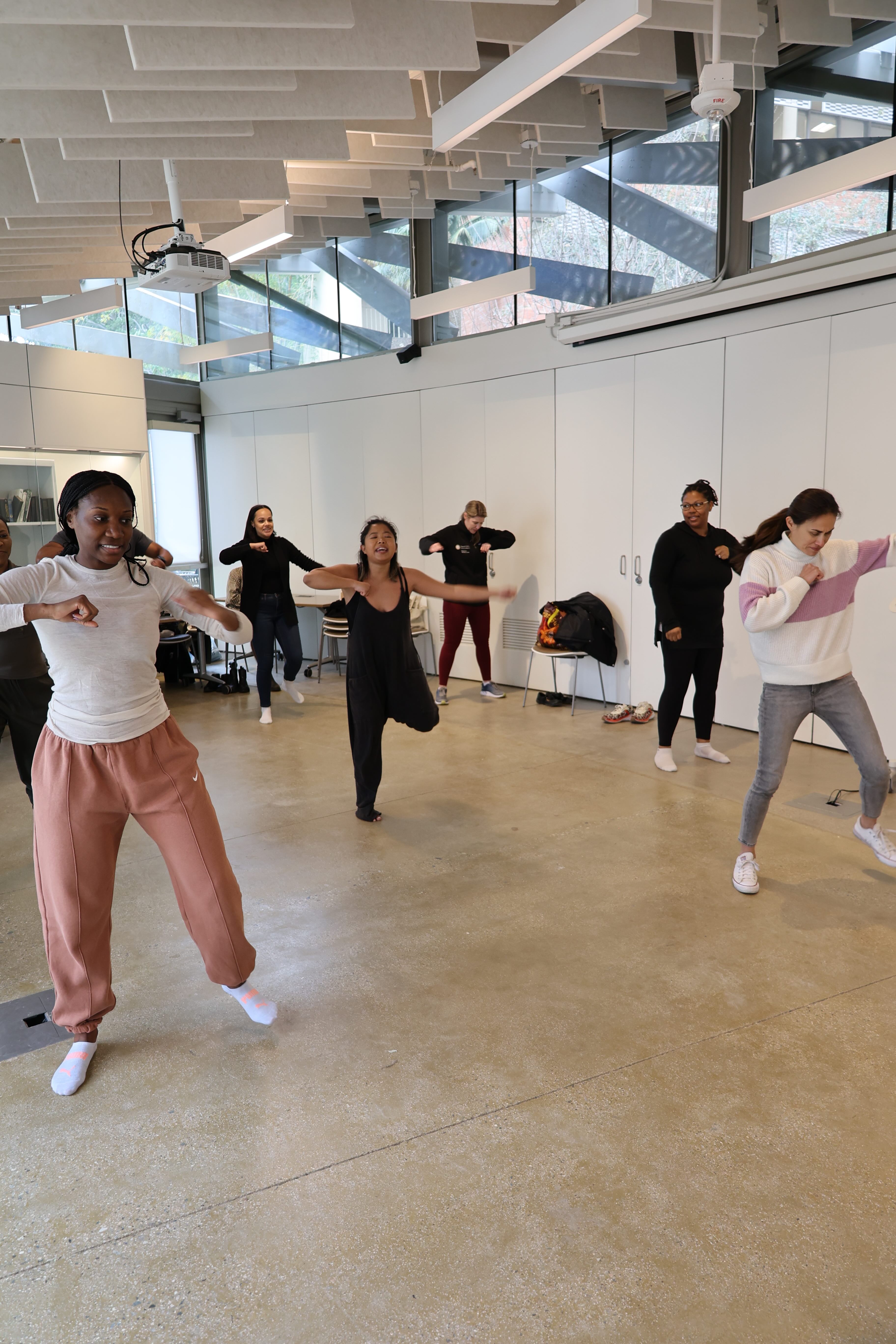
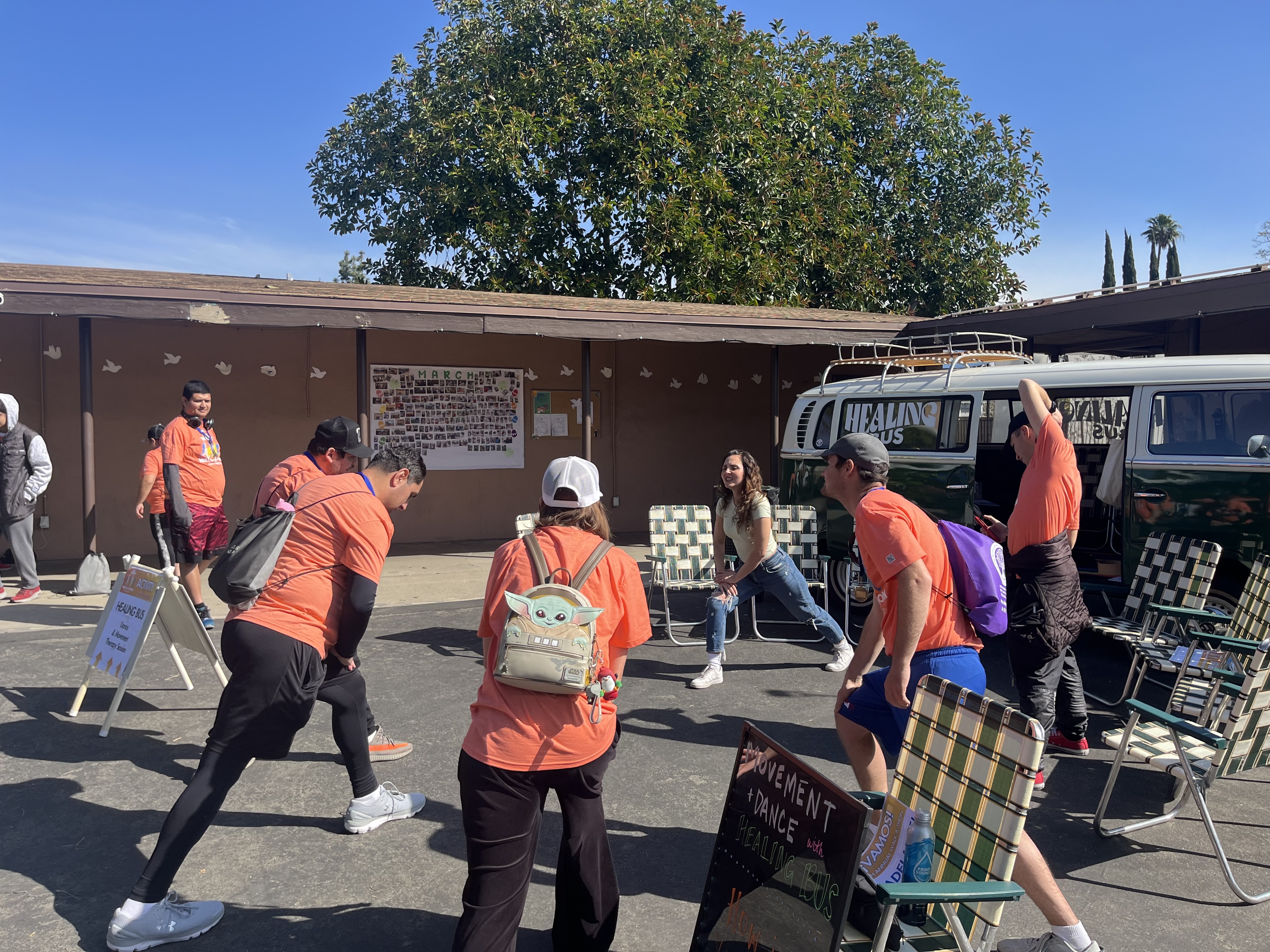
Why: Embodied emotional processing, play, and connection—counters compassion fatigue and isolation.
About: Dance Movement Therapy (DMT), or Dance Therapy, is a psychotherapeutic approach that uses movement and dance to promote emotional, social, cognitive, and physical integration. It's a form of therapy that leverages the mind-body connection to help individuals improve their well-being. DMT can be used to address a wide range of mental and physical health concerns, as well as to foster self-awareness and personal growth.
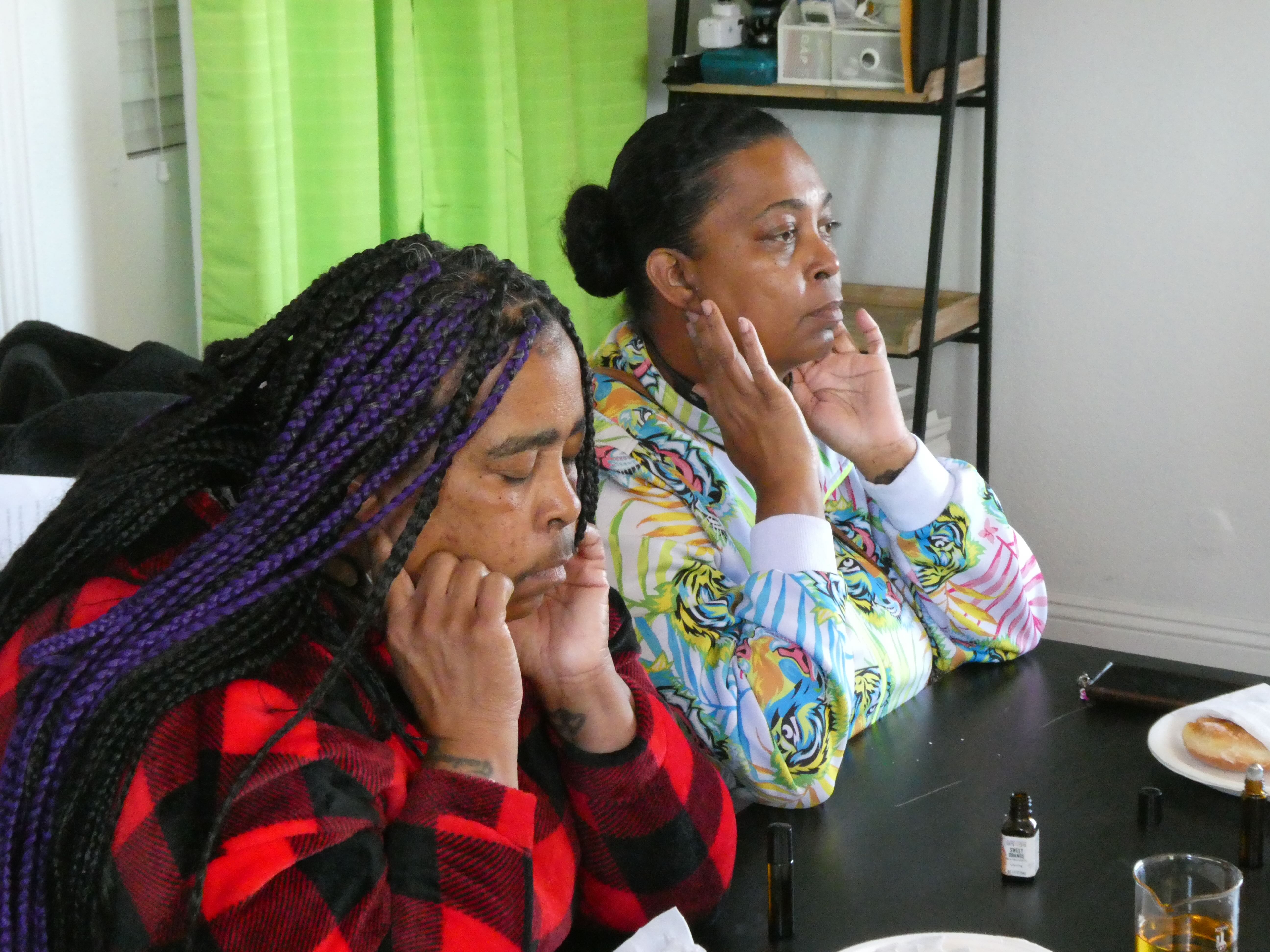
Why: Quick, evidence-informed self-regulation that reduces stress and rumination; easy to learn, culturally neutral, and usable on the job between crises.
About: EFT (Emotional Freedom Technique) tapping is a form of alternative therapy that involves tapping on specific points on the body while focusing on distressing thoughts or emotions.
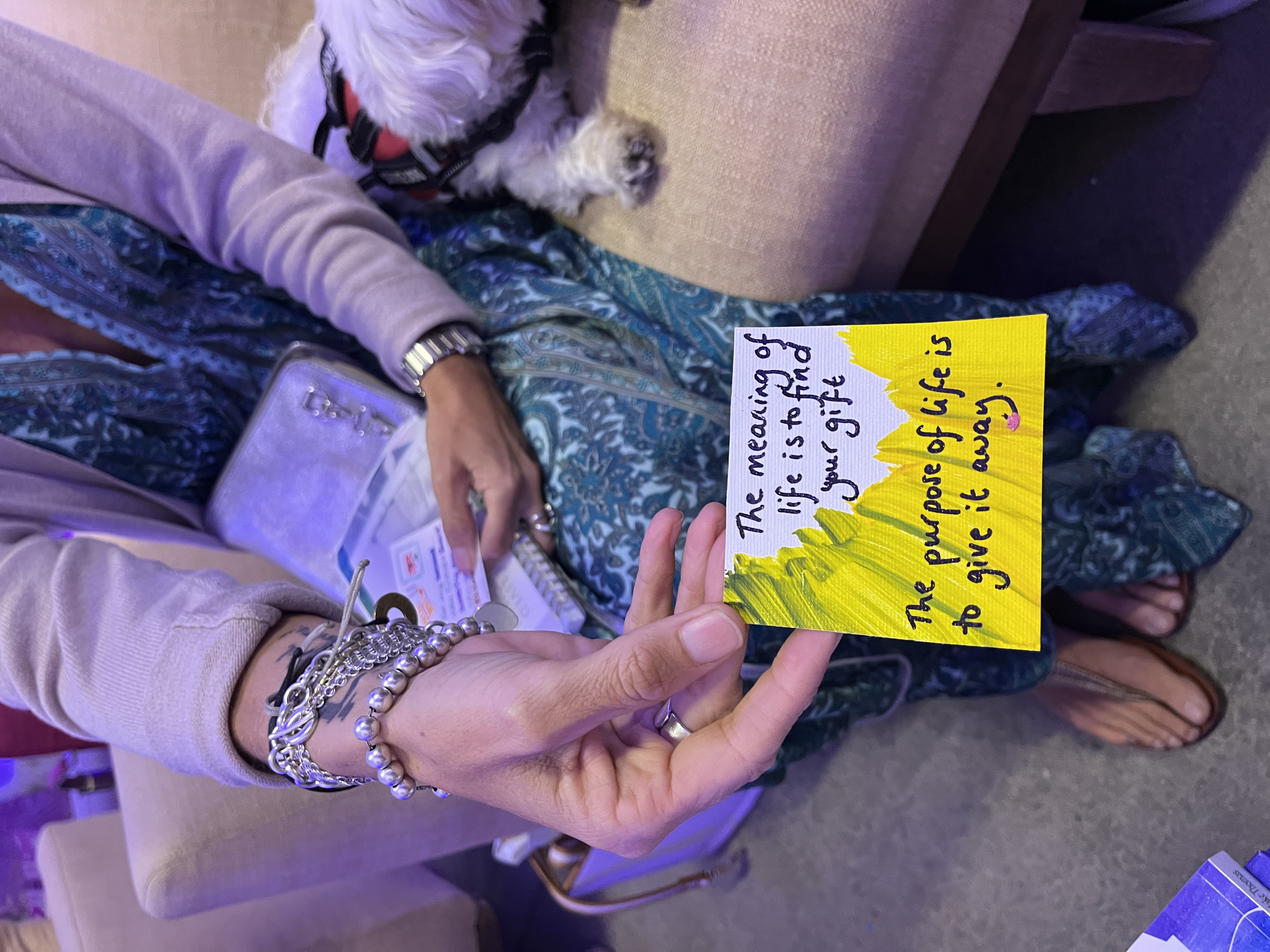
Why: Low-barrier, private reflection that helps organize thoughts, reduce stress, and build meaning—ideal for staff who carry others’ stories.
About: Therapeutic Journaling is a form of expressive therapy that uses the act of writing and processing the written word for therapeutic purposes. Writing therapy posits that writing one's feelings gradually eases feelings of emotional trauma. Writing therapeutically can take place individually or in a group and can be administered in person with a therapist.
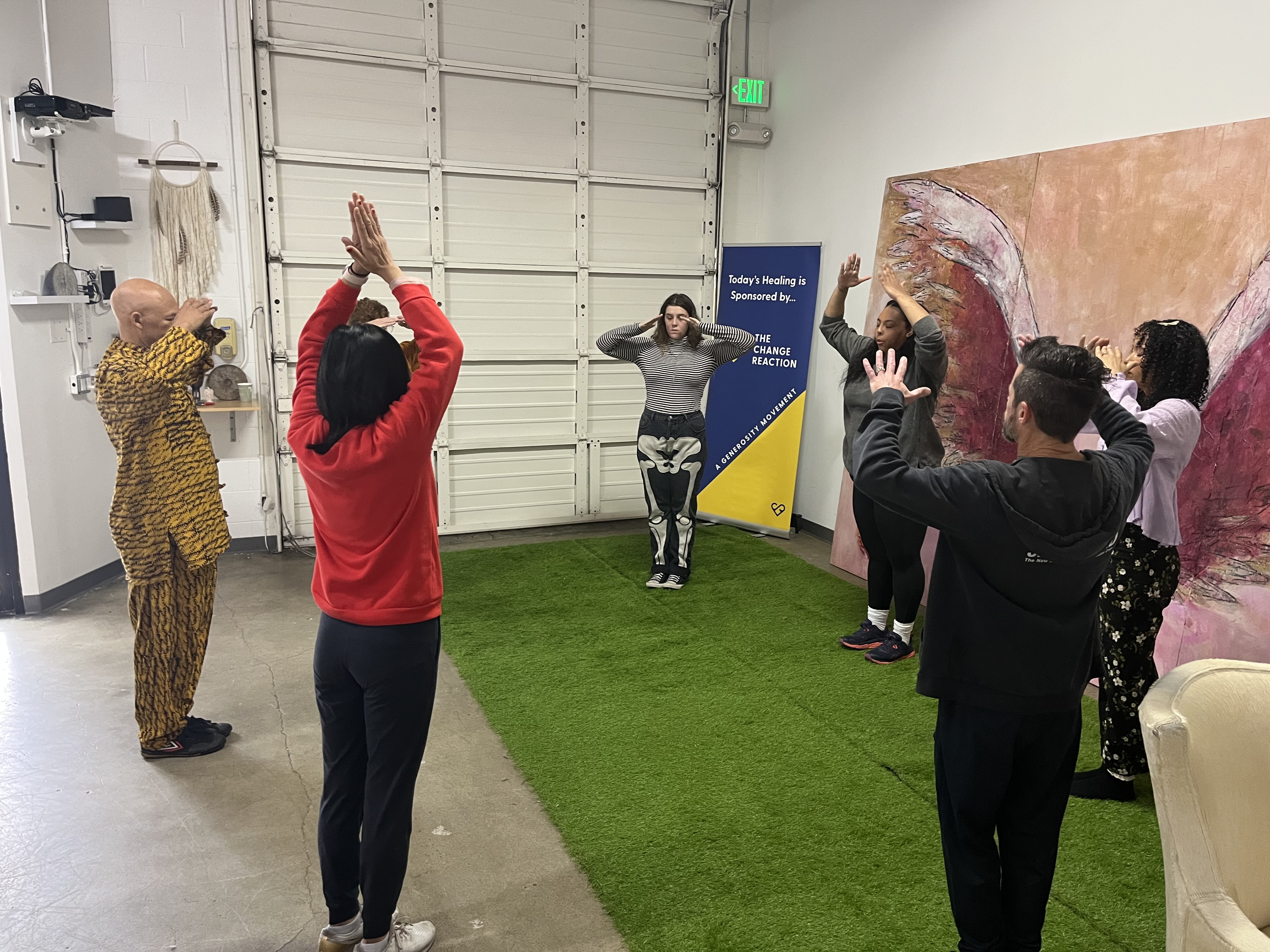
Why: Low-impact, accessible movement that calms the nervous system and restores energy without sweat or special attire; supportive of mixed mobility levels.
About: Qigong for resilience and healing is a mind-body-spirit practice from traditional Chinese medicine (TCM) that uses gentle movement, controlled breathing, and focused meditation to cultivate and balance "qi" (vital energy), promoting overall well-being and the ability to adapt to physical and emotional challenges.
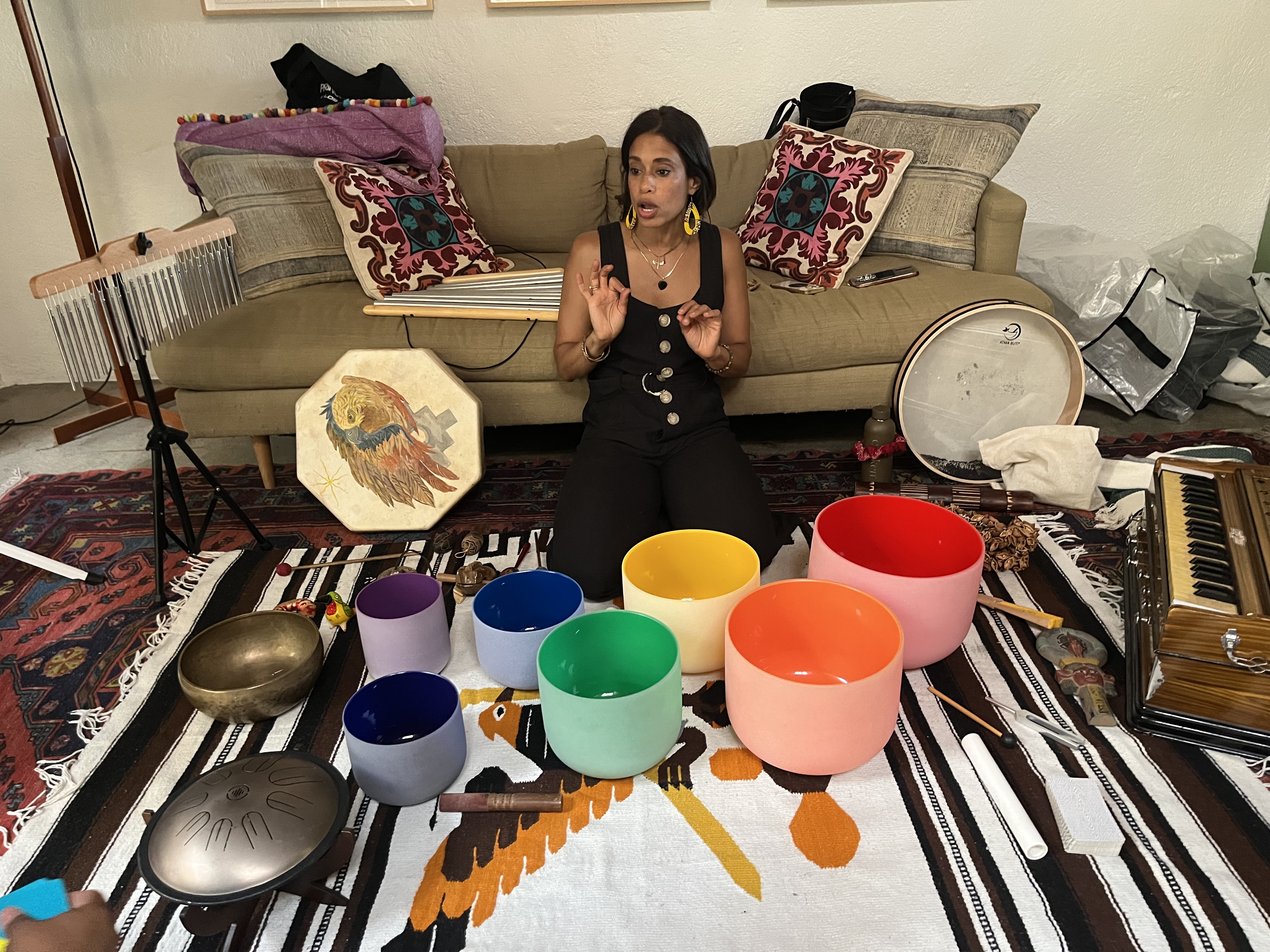
Why: Vibrational soothing + group coherence; easy buy-in even for beginners; pairs well with breath or nidra.
About:Music therapists use music-based experiences to address client needs in one or more domains of human functioning: cognitive, academic, emotional/psychological; behavioral; communication; social; physiological (sensory, motor, pain, neurological and other physical systems), spiritual, aesthetics. Music experiences are strategically designed to use the elements of music for therapeutic effects.
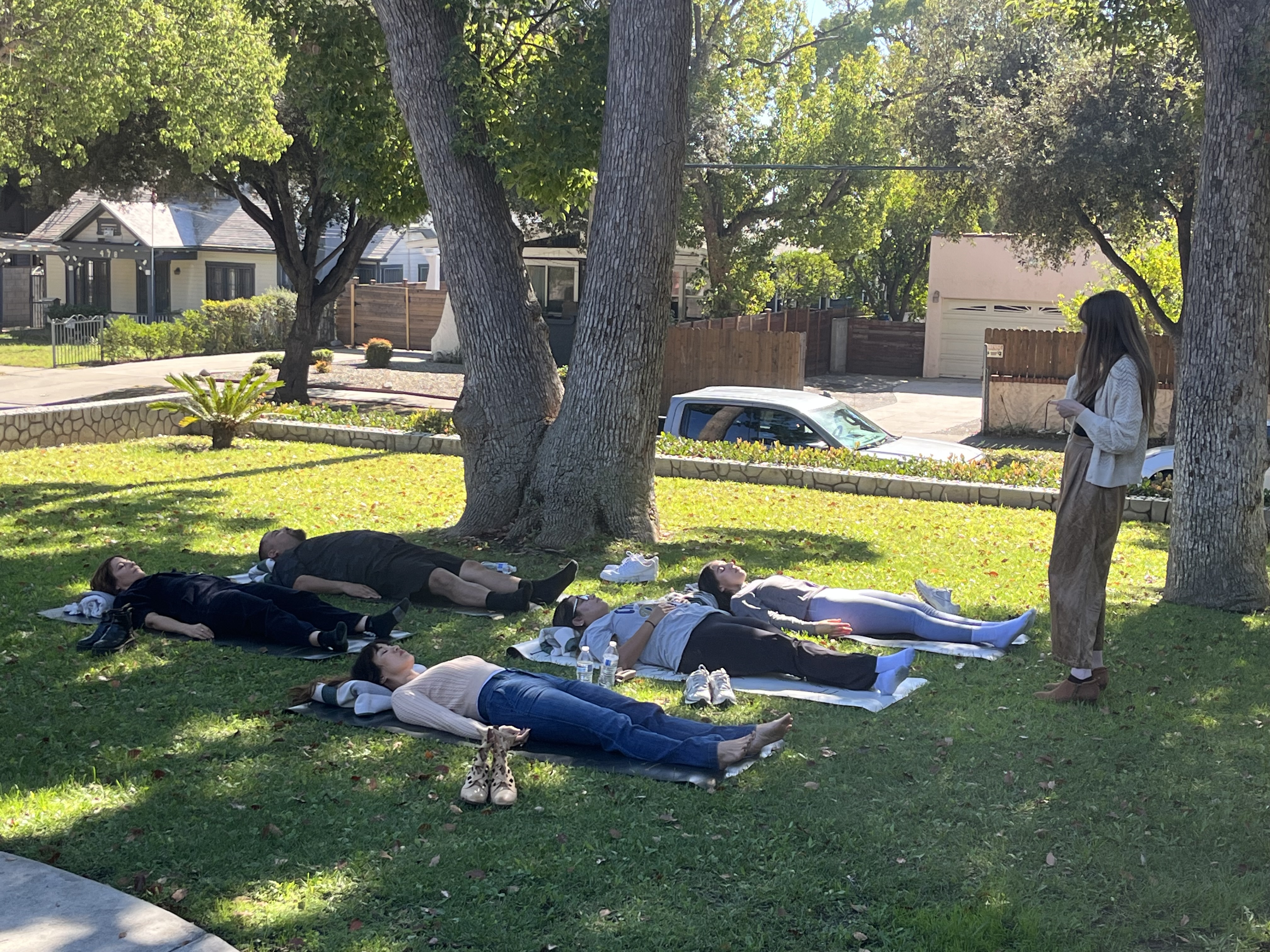
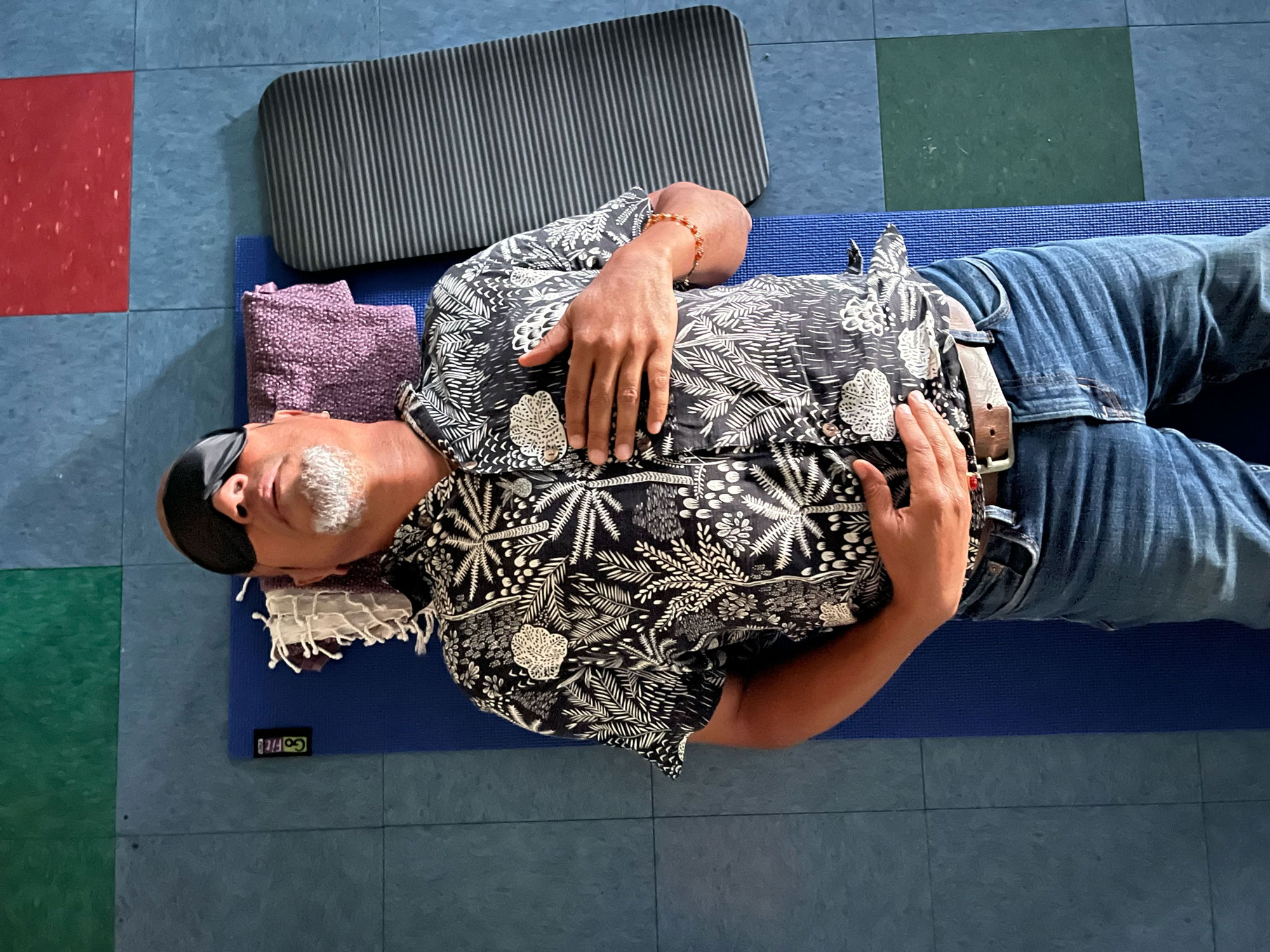
Why: Guided, deeply restorative practice that reliably downshifts sympathetic arousal in 15–25 minutes—ideal for burnout, sleep deficits, and cognitive overload.
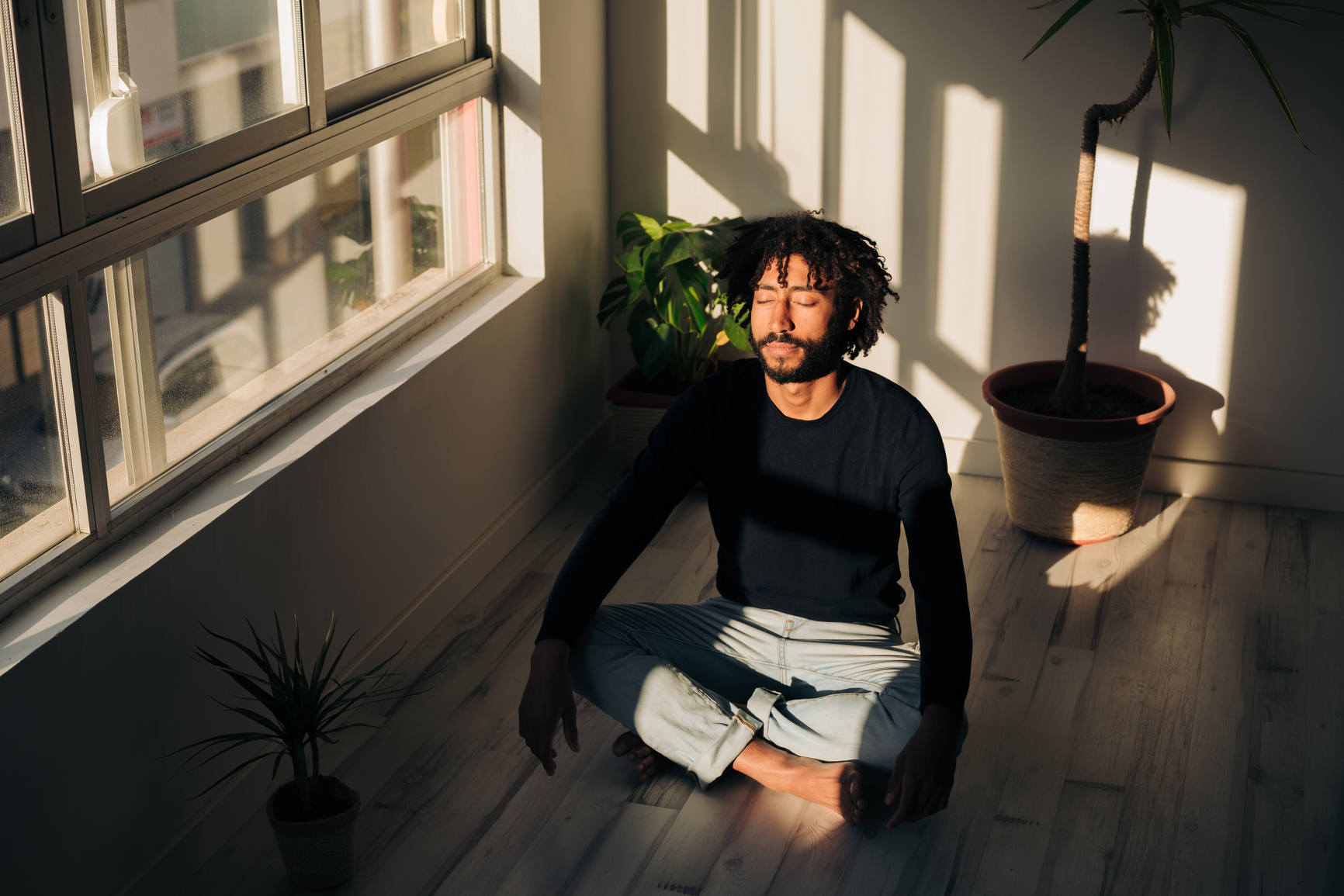
About: NSDR yoga nidra is a guided meditation practice that uses a specific technique called yoga nidra to guide you into a state of deep physical and mental relaxation without falling asleep. This practice, which can be done anywhere with no equipment, aims to help you achieve rest, reduce stress, and improve focus by entering a state between waking and sleeping while remaining conscious.
Why: Well-known, adaptable practice that improves mobility, breath, and mood.
About: Yoga as therapy is the application of yoga techniques to address specific physical and mental health conditions. It involves using yoga postures (asanas), breathing exercises (pranayama), meditation, and other yogic tools to help individuals manage pain, reduce stress, improve mobility, and promote well-being. Yoga therapy is tailored to individuals.
We’ll help you choose the right experience for your team or community. Many groups choose two complementary modalities for a single session. Popular pairings include: